Customers Are Reading Your Reviews. Are You Responding?
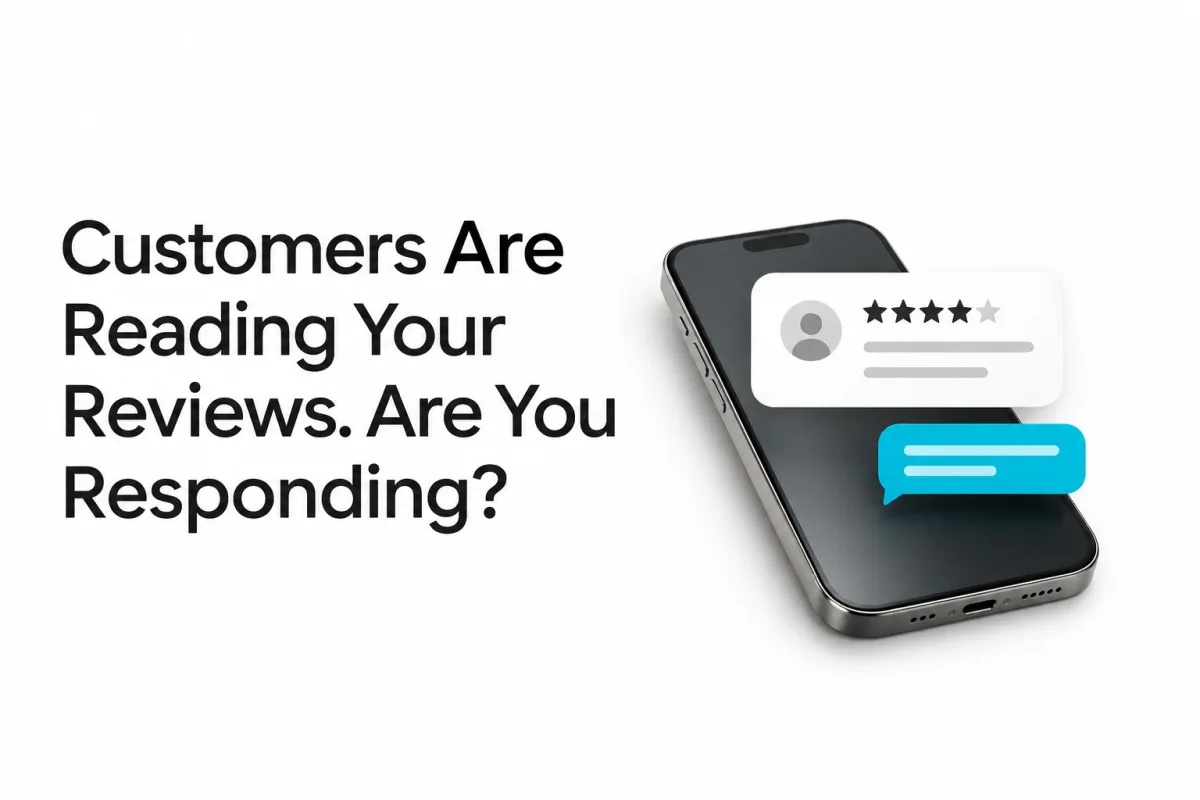
A hotel can publish beautiful photographs, describe excellent service and present a clear booking offer. A potential guest may still turn to an unfamiliar person for reassurance.
That person is a previous guest leaving a review.
Reviews are often treated as a marketing asset. They are also a record of what customers thought happened after the promise made online met the experience delivered in person.
That distinction matters when a business decides what to do next.
What new research says, and where it applies
On 21 October 2026, BrightLocal published findings in its Small Business Marketing Report on the difference between what consumers expect from reviews and how businesses manage them. Its report states that 47 percent of surveyed US small businesses had fewer than twenty Google reviews. Its related consumer research found that 47 percent of consumers would not use a business with fewer than twenty reviews.
Those figures are revealing, but they are not a target for a Cambodian business to copy. The business survey covered about one thousand owners in the United States, and the consumer findings come from BrightLocal's separate consumer research. Neither establishes what Cambodian guests require, or how many reviews make a hotel in Siem Reap trustworthy.
The useful lesson is narrower. An owner may believe the business is well represented online while potential customers see an incomplete picture. Review count, freshness, content and responses can contribute to that gap.
The rating is a summary, not a diagnosis
Suppose two hotels have similar star averages. The first has recent reviews describing friendly staff, accurate room photos and clear communication. The second has recent reviews describing difficulty reaching reception and unexpected charges. A single average conceals important differences.
A responsible review check should therefore begin with the written content, not only the number of stars.
Look for questions that repeatedly appear. Did visitors understand the property's location? Were advertised facilities available? Did guests know about deposits, extra beds or additional charges before arriving? Were expectations set correctly by the website and booking platforms?
Some complaints concern operational matters that a digital consultant cannot repair on a website. Others reveal a mismatch between the actual service and what customers were told. The response must match the cause.
Consider a hypothetical hotel that receives several complaints about airport pickup instructions. If transport is genuinely offered, the team might need to clarify the price, booking deadline, meeting location and contact number across the website, confirmation email and staff process. Replying politely to each review without correcting the underlying information would leave the same problem for the next guest.
A reply is public evidence of how the business behaves
Google's Business Profile guidance allows verified, eligible businesses to respond publicly to reviews. That reply is not just for the person who left feedback. Future customers may read it while deciding whether the business seems attentive and credible.
A useful reply acknowledges the specific experience, avoids arguing publicly, explains any action that can be stated honestly and provides a suitable private route for sensitive details. It should not reveal reservation information or demand that the reviewer delete a complaint.
For positive reviews, a short and genuine acknowledgment can be enough. For a serious complaint, the team may need to investigate before replying. Do not promise a refund, compensation or completed correction unless the responsible person has approved it.
Automated responses may reduce time, but copying the same message under every review can make a business appear inattentive. An AI draft should be checked against the actual case before it is posted.
Reviews across platforms do not tell one identical story
A guest who reads Google reviews may notice different complaints from someone browsing a hotel booking platform. The audiences, review rules and types of transaction can differ. That is why a useful audit records the platform as well as the issue.
For a hotel, compare a sample of recent public reviews from Google and the main booking sites where it actually operates. For a spa or restaurant, use the platforms that customers genuinely rely on. Do not create profiles solely to manufacture the appearance of popularity.
Record the date, channel, topic, whether a reply exists and what follow up is needed. Keep personal guest details out of a shared spreadsheet. Assign a person to investigate repeated complaints and a realistic date to check whether the cause was addressed.
Once a month, review the pattern with the operations team. A recurring complaint about noise, an unclear room description or a failed contact route deserves more attention than a temporary change in star average.
Should a business ask for more reviews?
It is reasonable to invite genuine customers to share their experience in ways permitted by each platform. A request should not pressure guests to be positive, screen out dissatisfied customers or offer rewards conditional on a favorable rating.
The US Federal Trade Commission has rules against certain deceptive review practices, including fake reviews and buying reviews conditioned on sentiment. That US rule is not Cambodian law, but it is a useful reminder that manufactured praise can damage trust and may breach platform rules or laws in applicable markets.
A better objective is an honest and sufficiently current record of customer experiences, supported by a process for learning from them.
A practical review check this week
Select ten recent reviews from each of the two platforms most relevant to your business. Categorize the comments by expectation, service delivery, communication, price or facilities. Note which issues are repeated, which have a helpful public reply and which require an operational decision.
At the end, ask a harder question than “How can we raise our rating?”
Ask instead: “What would a new customer misunderstand or worry about after reading these comments, and can we do anything truthful to resolve it?”
That question connects digital trust to service quality. Both matter long after a review is published.
Sources and further reading
- BrightLocal, “Small businesses can’t keep up with consumer review expectations”, 21 October 2026
- BrightLocal, “Small Business Marketing Report 2026”
- BrightLocal, “Local Consumer Review Survey 2026”
- Google Business Profile Help, “Manage customer reviews”
- US Federal Trade Commission, “Federal Trade Commission Announces Final Rule Banning Fake Reviews and Testimonials”, August 2024